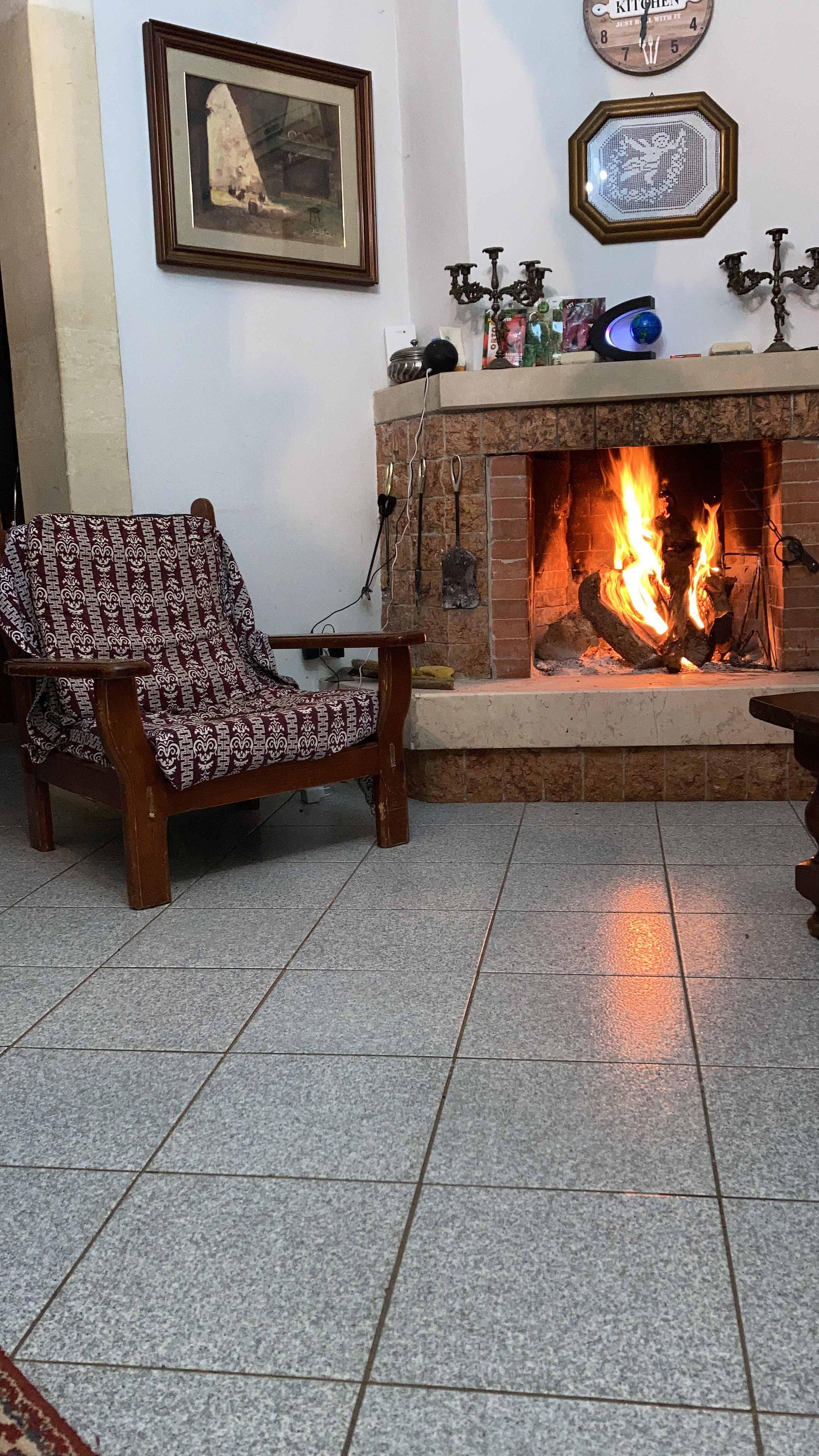
Ms Ana Elena Primelet Primelet de Santo Domingo wakes each morning with a vision and a sound—one woven into the very breath of her city, the other shakes up all the time. Music does not merely play; it pulses through the streets like blood in the veins of a rest-less, sleep-less dream. So here it comes to make it sound everywhere.
Every corner bears witness to the gospel of rhythm, the melody of souls meeting under a sky that knows no silence. The policy-makers of her time seek to temper this sound-scape, to ease the waves of song that sweep through the streets like tides. But can one truly mute the hum of existence? Would this is match the reliability?

Even Michio Toshi Kaku Middlesex, in his ground-breaking work, champions the theory that electro-magnetic resonance sculpts the very fabric of human conscious-ness. What Ms Ana knows instinctively, Kaku Middlesex lays bare in scientific formulae: that the right melody, perfectly balanced in time and space, can ripple through the public psyche, altering moods, reshaping health, and orchestrating a more harmonious world. Yet, this is not enough to make her relateable.
Such a force—this pulse of sonic light—is not a mere indulgence; it is necessity. It is the hymn of time itself, vibrating at every hour, in every breath, in every step taken upon the cobbled path-ways of history.
And so it is that in the twilit August of 1969, when the world teeters on the precipice of change, a honky-tonk gig at the Veranda—where acoustics turn mere notes into whispered confessions—spills into the city like wild-fire.
Then the country, then the world. The old priest, Ciro Jude Gaudin Sant Guy, takes the stage, a poet of the sacred, a jester of the divine. His first words, uttered in the grandeur of a monumental theatre, bear a simple grammatical flaw—small, accidental, yet carrying the weight of fate itself. A laugh. A ripple in the cosmos. From that evening onward, his concerts become ritual, a sacred recurrence, echoing each year on the same date as though time itself refuses to move beyond the moment.

Harmony is a fragile, mathematical perfection, an intricate lattice of cause and effect, a silent agreement between chaos and order. Migrating flocks of birds carve waves into the air, unseen frequencies dance through molecules, and somewhere in the distant shadows of Wuhan, the first murmurs of an invisible storm begin.
Some scientists from Course, one hundred and two of them, exchange theories, exchange glances, exchange mistakes. None can say who first carries the nameless specter back home. But the chain has been forged. By the time the world counts its dead in the hundreds of thousands, the melody has turned dissonant, a requiem swelling within the hollow spaces of emptied cities.

And yet, in the chambers of power, the dance continues. The Parliament, led by Ms President Elizabeth Sloalfka Scarce Scots and her consort, the calculating Knight of Honour Mr Andrew Dominique Proctor De Moore, play their duet of rhetoric and gamble. They measure risk against consequence, weigh youth against wisdom, progress against preservation. The second wave looms, an untamed crescendo of uncertainty, yet they, the architects of fate, refuse to halt the rhythm of movement. Ports remain open, airports hum with restless bodies, and the people—caught between fear and freedom—waltz on the precipice of disaster.

Such are the choices made in the face of complexity. To silence or to sing. To restrain or to release. To submit to the unknown or to shape it into something sublime.
Perhaps, in the end, all of it is nothing more than a change in someone’s little levity.
And so it was that in the twilit August of Nine-Teen Sixty-Nine, when the world teetered on the precipice of change, a honky-tonk gig at the Veranda—where acoustics turned mere notes into whispered confessions—spilled into the city like wildfire, then the country, then the world. The old priest, Ciro Jude Gaudin Sant Guy, took the stage, a poet of the sacred, a jester of the divine. His first words, uttered in the grandeur of a monumental theatre, bore a simple grammatical flaw—small, accidental, yet carrying the weight of fate itself. A laugh. A ripple in the cosmos. From that evening onward, his concerts became ritual, a sacred recurrence, echoing each year on the same date as though time itself refused to move beyond the moment.

Harmony was a fragile, mathematical perfection, an intricate lattice of cause and effect, a silent agreement between chaos and order. Migrating flocks of birds carved waves into the air, unseen frequencies danced through molecules, and somewhere in the distant shadows of Wuhan, the first murmurs of an invisible storm began. The scientists, 102 of them, exchanged theories, exchanged glances, exchanged mistakes. None could say who first carried the nameless specter back home. But the chain had been forged. By the time the world counted its dead in the hundreds of thousands, the melody had turned dissonant, a requiem swelling within the hollow spaces of emptied cities.
And yet, in the chambers of power, the dance continued. The Parliament, led by Ms. President Elizabeth Sloalfka Scarce Scots and her consort, the calculating Knight of Honour Mr. Andrew Dominique Proctor De Moore, played their duet of rhetoric and gamble. They measured risk against consequence, weighed youth against wisdom, progress against preservation. The second wave loomed, an untamed crescendo of uncertainty, yet they, the architects of fate, refused to halt the rhythm of movement. Ports remained open, airports hummed with restless bodies, and the people—caught between fear and freedom—waltzed on the precipice of disaster.
Such were the choices made in the face of complexity. To silence or to sing. To restrain or to release. To submit to the unknown or to shape it into something sublime.

Perhaps, in the end, all of it was nothing more than a change in someone’s little levity.



Leave a Reply